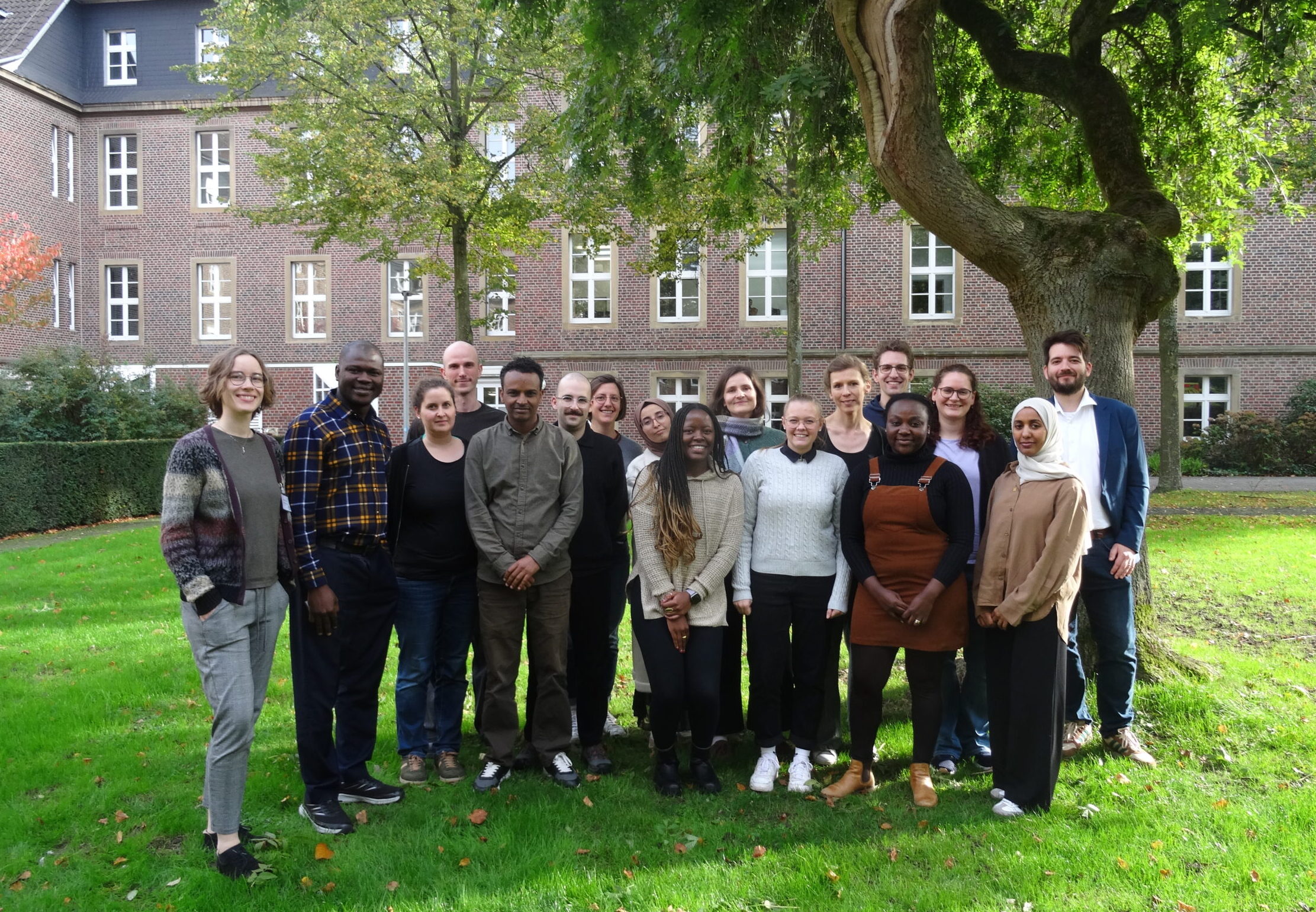
Deepening their understanding of research methods, tackling challenges together and forging new connections: the second YoungNAKO Winter School offered early-career researchers a week packed with academic insights, inspiring encounters and in-depth discussions.
Right from the start, it became clear what the Winter School was all about, apart from the statistical content: during a joint round of introductions involving participants from both YoungNAKO cohorts, a total of 14 early-career researchers got to know one another and quickly discovered shared interests, challenges and research priorities.
Even before the event began, participants were able to indicate which topics they were seeking support on and in which areas they themselves wished to share their experiences. The questions, ideas and expertise gathered guided the group throughout the week and served as the starting point for numerous discussions.
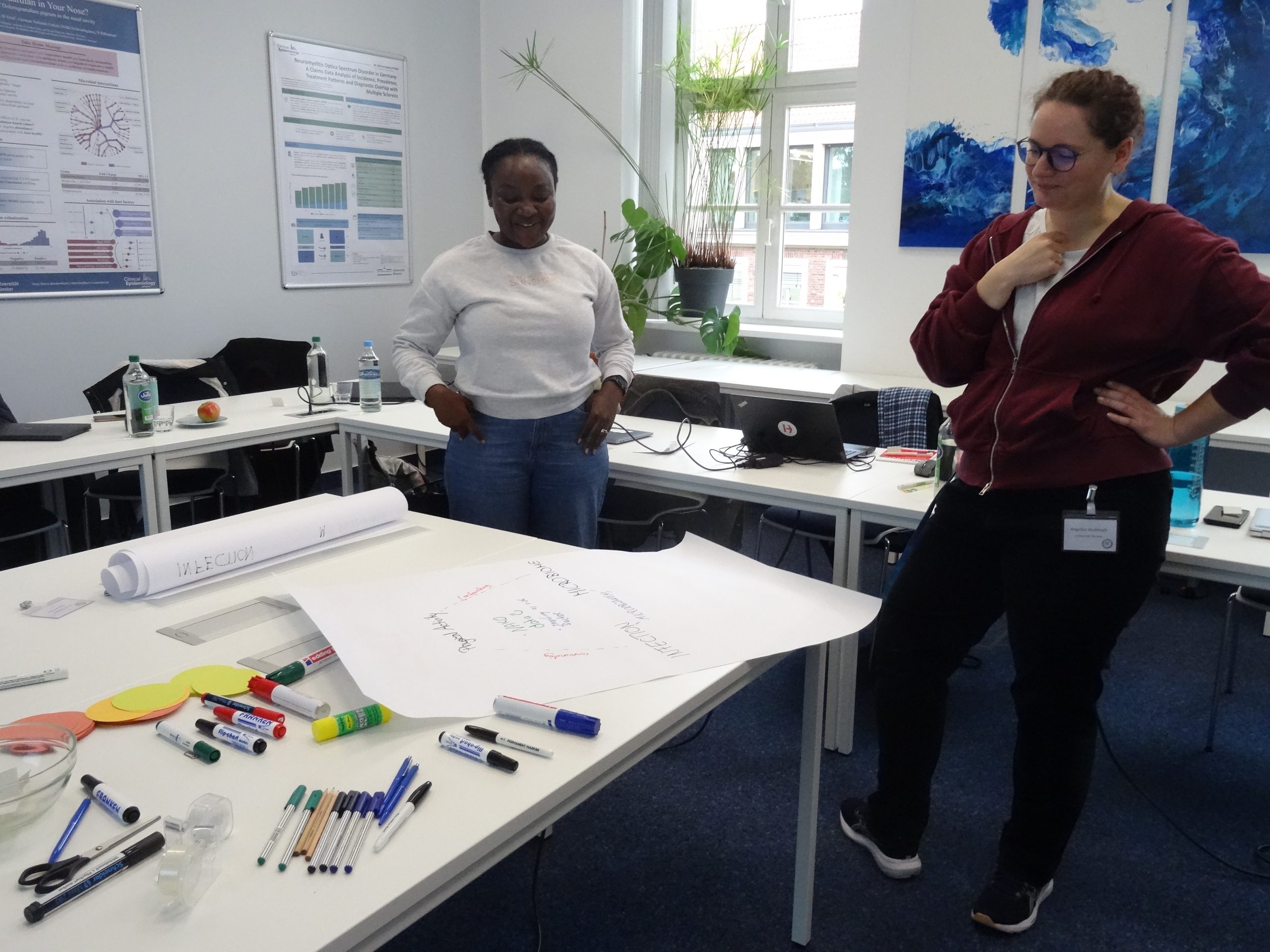
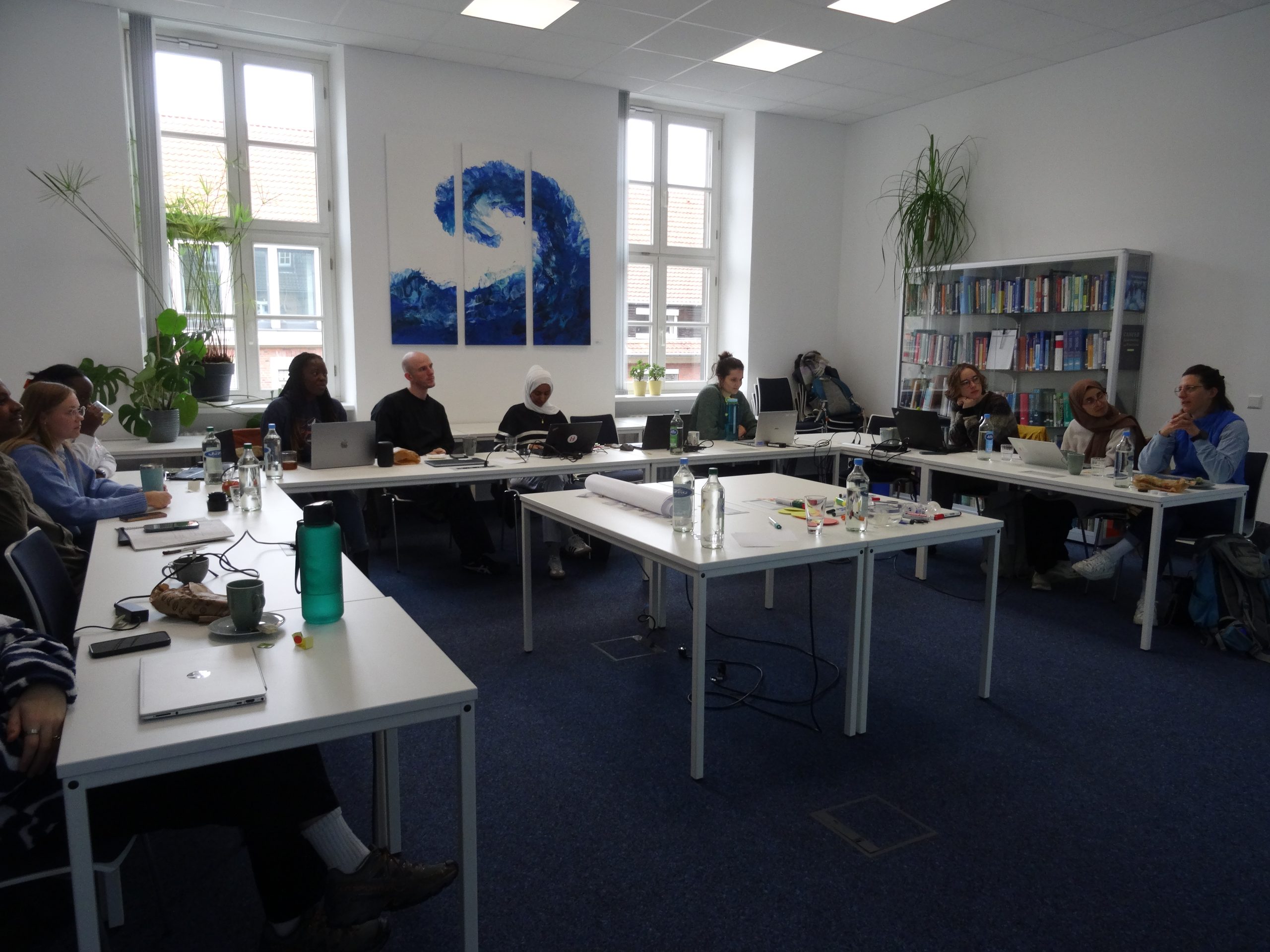
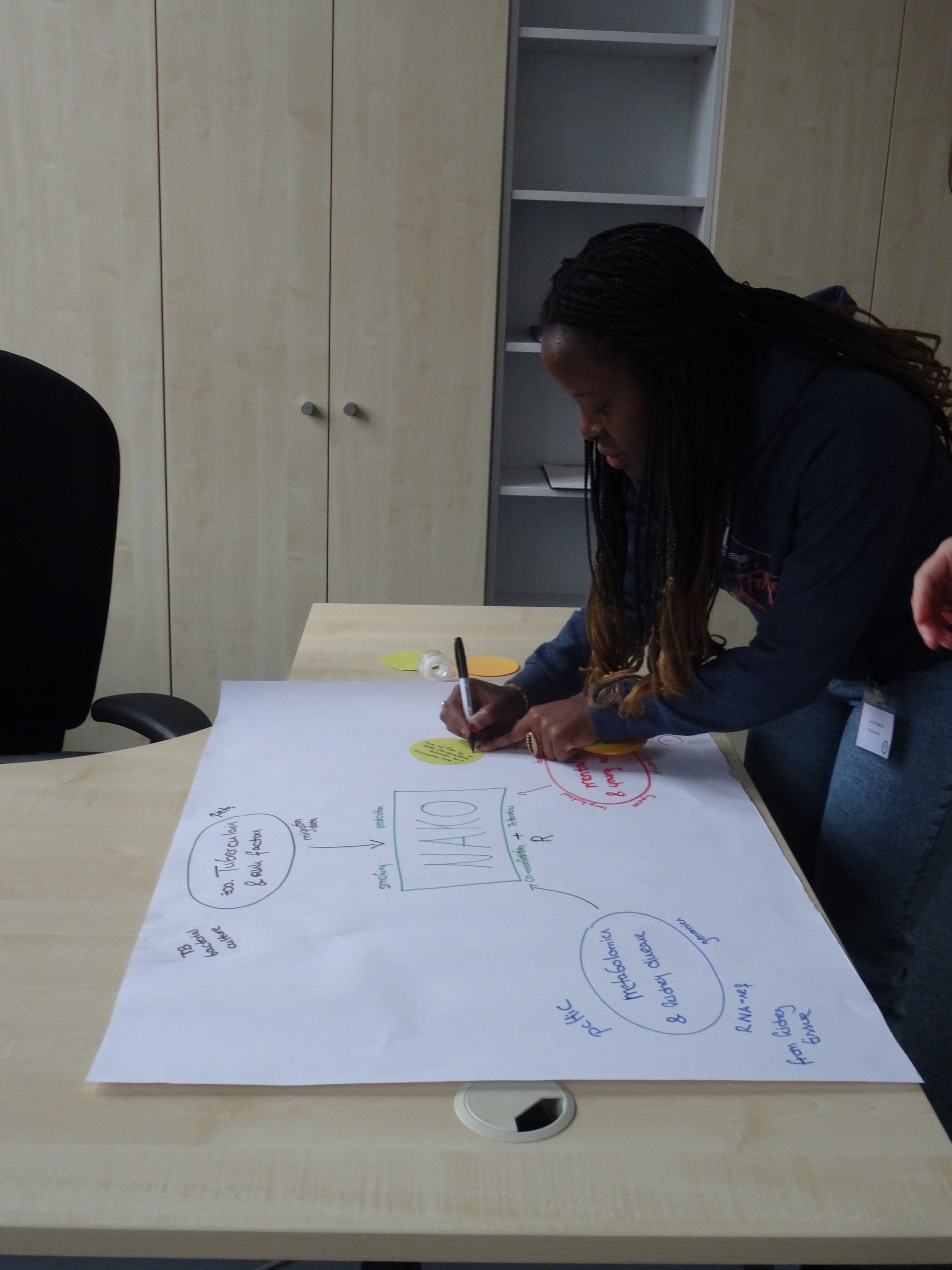
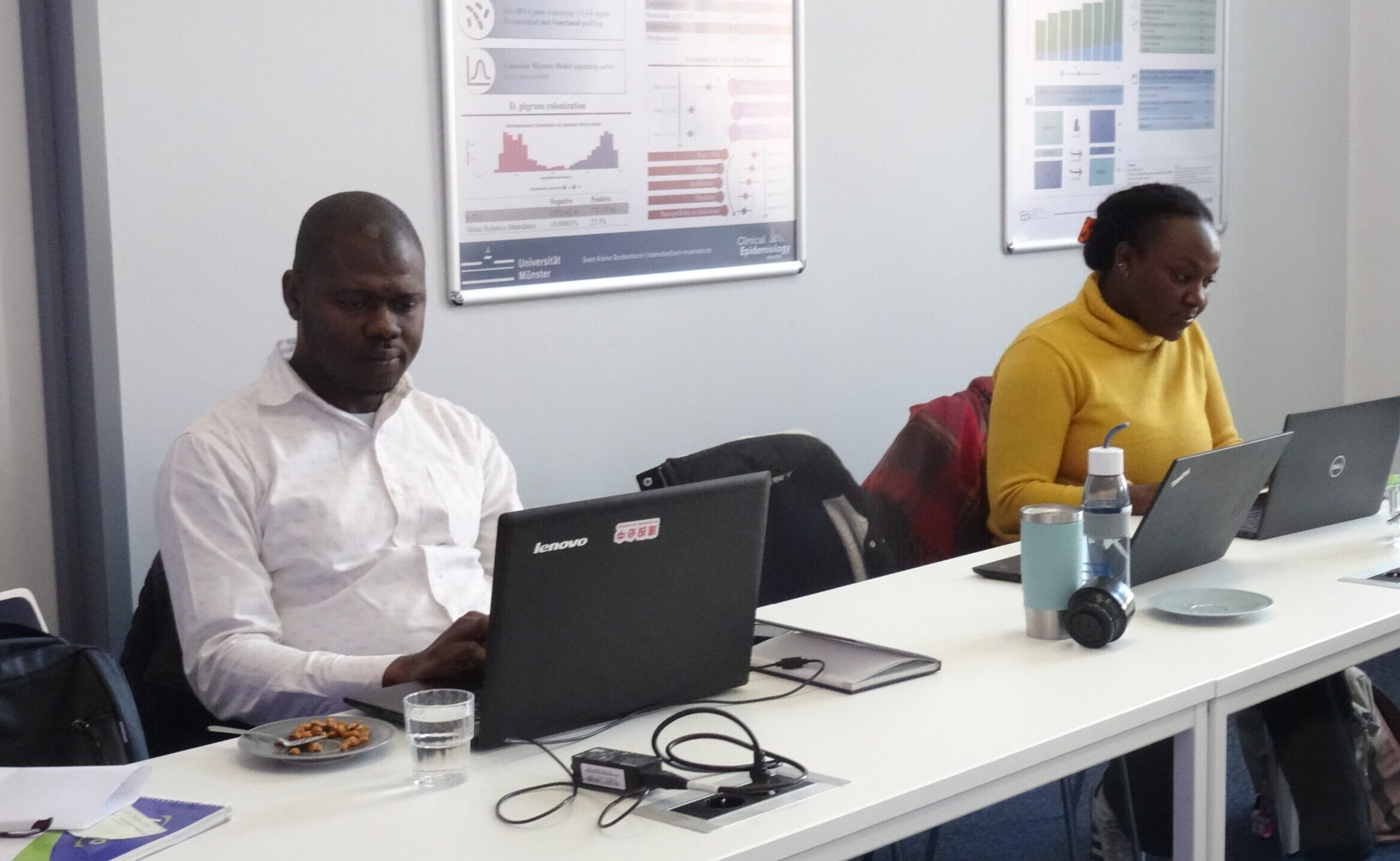
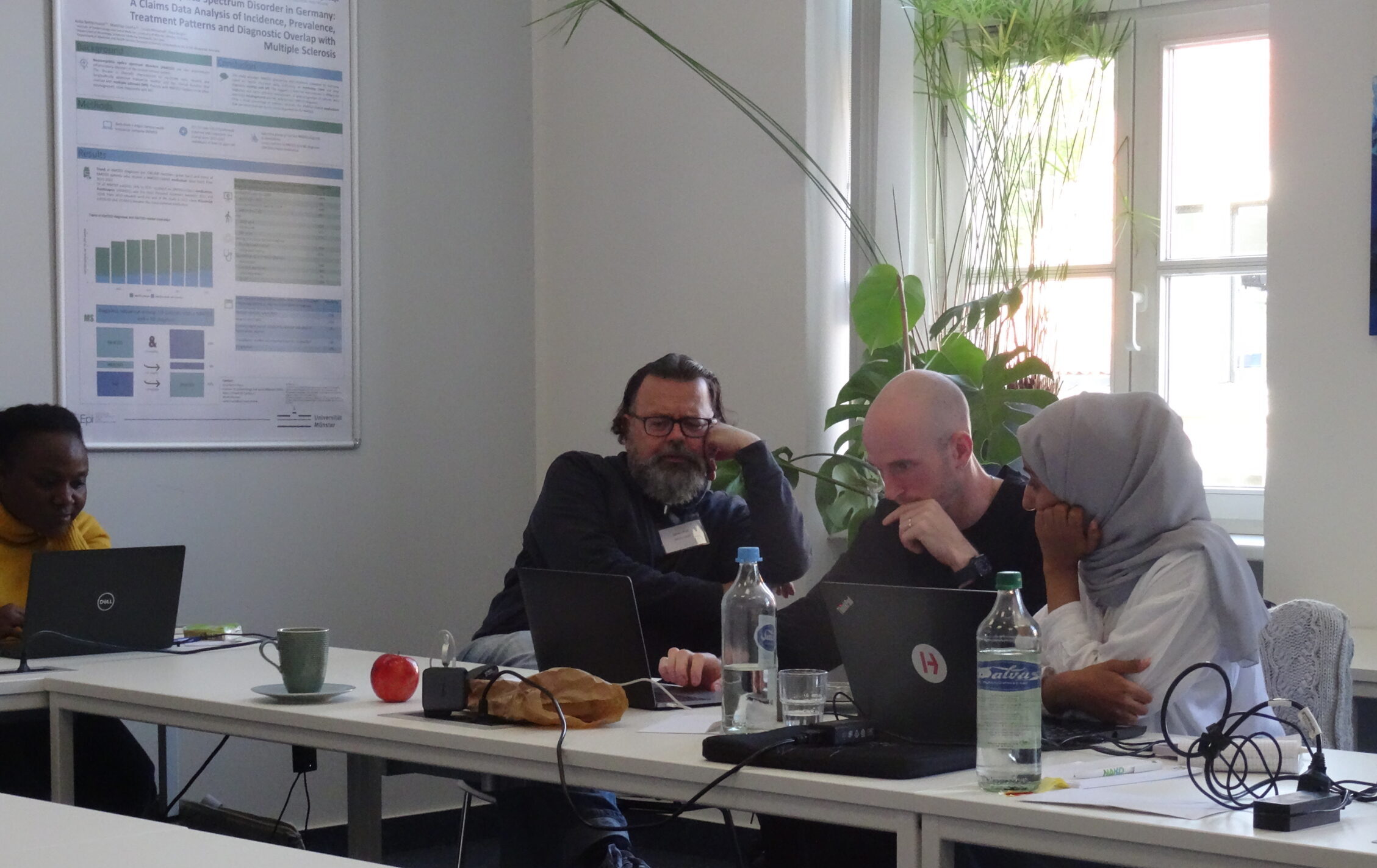
The programme of talks provided participants with in-depth insights into current research topics, methods and areas of application. Many participants found the opportunity to link theoretical knowledge directly to their own research projects and to discuss specific questions directly with the speakers particularly valuable.
Programme of lectures for the 2026 Winter School:
- “Analysis of cluster-correlated data”, Jürgen Wellmann, University of Münster
- “Dealing with Missing Values”, Roman Paul, University Hospital Mainz
- “Parametric Models for Time-to-Event-Outcomes”, Oliver Kuß, German Diabetes Center (DDZ), Düsseldorf
‘Networking Roulette’ demonstrated that networking sometimes only needs a little nudge. The focus here was not on differences, but on common ground. Together, participants highlighted links between research projects, identified areas of overlap and opened up new perspectives for their own work.
Creative and cooperative
Team spirit was also called for outside the official programme. During an evening team challenge, the aim was to creatively showcase statistical and epidemiological concepts. With plenty of ingenuity, humour and scientific insight, the participants produced impressive interpretations of complex methods. The task not only provoked plenty of laughter, but also helped to ensure that discussions continued after the seminar had ended, both at the hotel and during the evening’s social programme.
During the group supervision sessions, participants were able to work in small groups on their own datasets, statistical questions and analytical problems. They were supported in this by experienced researchers from various institutions and disciplines. Many thanks for their expertise to: André Karch, Nicole Rübsamen, Jürgen Wellmann, Heike Minnerup, Oliver Kuß, Claudia Börnhorst and Roman Paul.
Science needs exchange to grow
Johanna Wirler from Regensburg sums up perfectly why the Winter School is far more than just a training event:
“The statistics courses helped me to deepen my knowledge and discover new methodological perspectives. The exchanges and networking were also particularly enriching – both during and outside the official programme. All in all, it was a wonderful experience to look beyond Bavaria’s borders and get a taste of a different academic atmosphere for a few days.”
As well as lectures, workshops and group work, there was also time to explore Münster together and continue our discussions in a relaxed atmosphere.
“The second YoungNAKO Winter School has impressively demonstrated just how valuable face-to-face encounters are for academic development. New methods, fresh ideas and specialist discussions were key elements of the week,” says Prof. Dr Andre Karch, Head and Academic Coordinator of the YoungNAKO postgraduate programme.
The YoungNAKO postgraduate programme – and, consequently, the Winter School – is organised and co-ordinated by the Institute of Epidemiology and Social Medicine at the University of Münster. Special thanks go to Anna Röhlig for her dedication.
Find out more: YoungNAKO – German National Cohort (NAKO)