A spirit of optimism in health research! The International NAKO Conference in Munich proved to be a comprehensive showcase of national and international cohorts. Biobanks and big data offer enormous opportunities and prospects for science and medicine. NAKO research impressed with its broad range of topics.
„This conference marks an important milestone. Researchers from different countries and disciplines are presenting scientific research for the future of medicine.“
Prof. Veronika von Messling (BMFTR) In her video message, she highlighted the importance of global knowledge transfer and emphasised the significance of the German National Cohort (NAKO) in detecting diseases at an earlier stage, preventing them and maintaining good health.
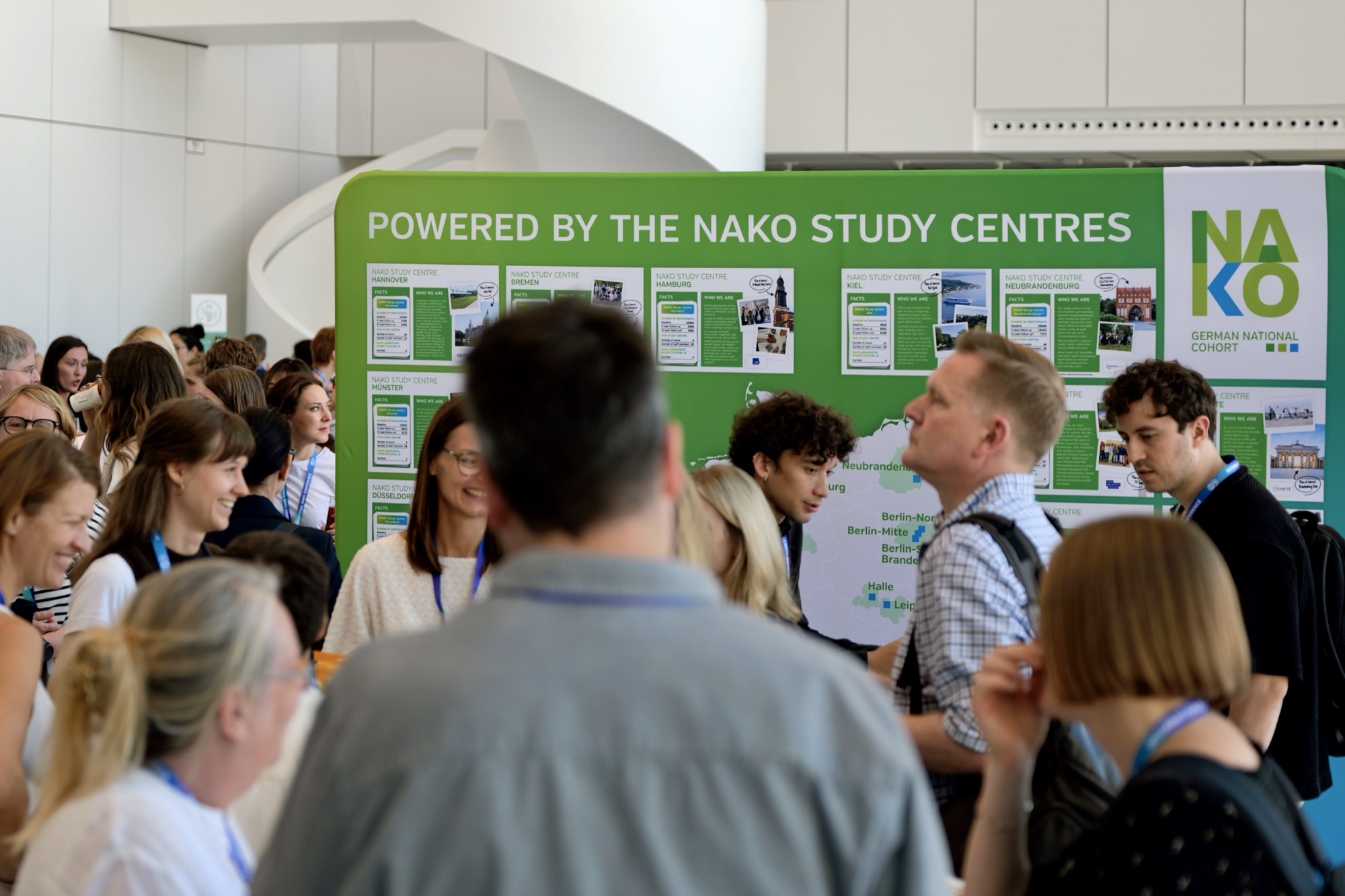

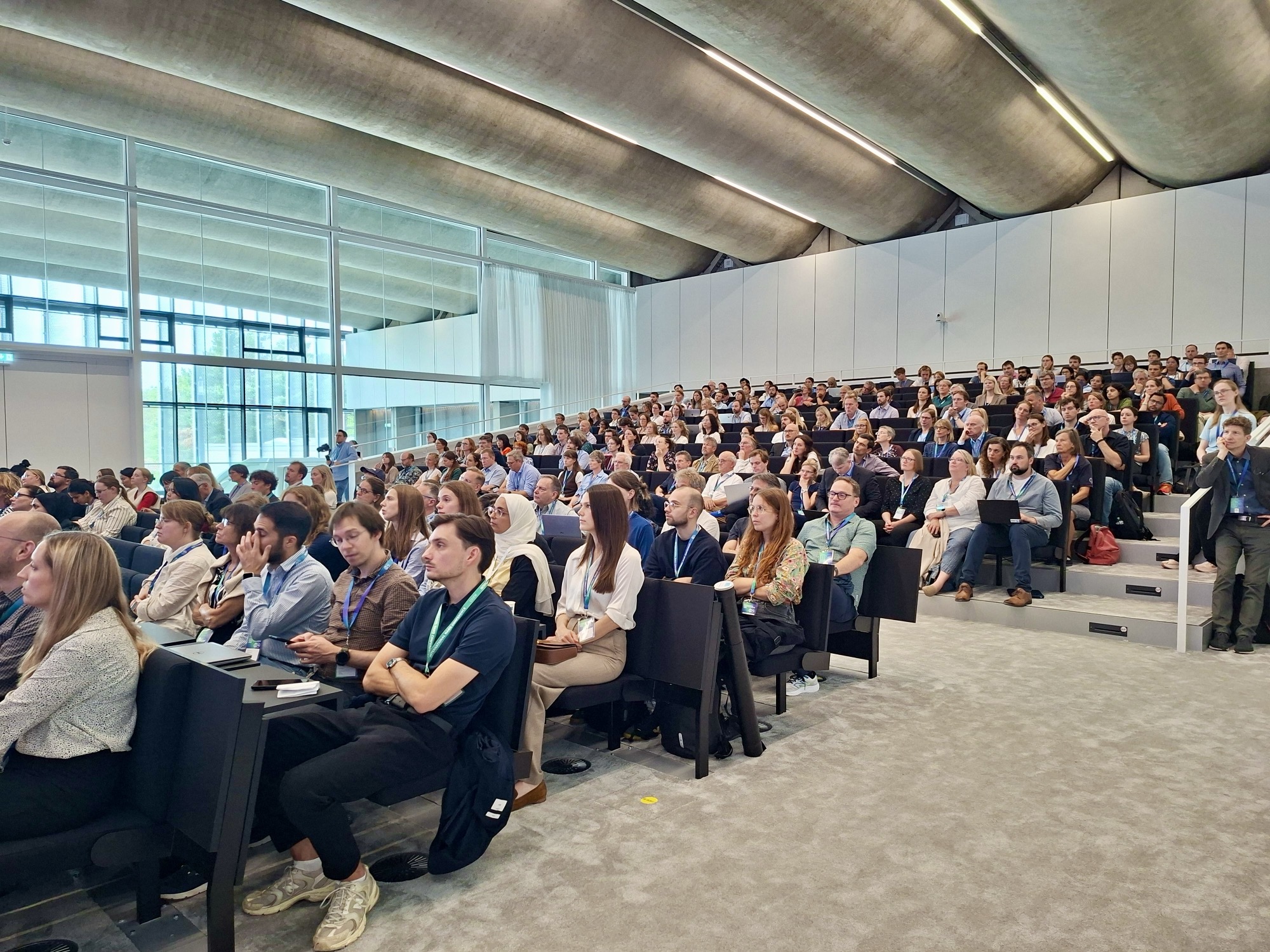
As expected, the two-day meeting turned out to be a demonstration of epidemiological excellence, with some impressive key figures: 363 participants from 20 countries, 163 via live stream, more than 70 poster presentations, 3 high-profile keynote speakers, 4 NAKO Research sessions featuring 9 experts, and more than 20 information stands where general and specific health topics were lively discussed, ranging from obesity to dental health.
Many visitors took the opportunity to tour the central NAKO biorepository at Helmholtz Munich, where thousands upon thousands of biological samples are stored at low temperatures. Biobanks are regarded as a cornerstone of modern cohort studies. They enable the creation of large-scale collections of biological samples for innovative research and for future generations.
NAKO data: 10-year follow-up
Prof. Annette Peters (Chair of the Board of NAKO e.V., member of the Conference’s Scientific Board) presented the results of Germany’s largest population-based cohort study since 2014, involving 205,000 participants (18 study centres). The NAKO data encompass genomics, biosamples, imaging (MRI), environmental data and data collected before, during and after the COVID-19 pandemic. The database is a powerful research tool that can contribute to a better understanding of the dynamic evolution of health. The key questions relate to lifestyle and environmental risks, geographical and socio-economic disparities, practical prevention, and early warning systems for common diseases such as diabetes, cancer, infections and dementia.

„Such objectives can only be achieved if many people and many organisations work together.“
NAKO brings together the interdisciplinary expertise of scientific institutions and is linked nationwide with the Centres for Health Research (DZG). Its key areas of focus are diabetes, cardiovascular health, infections, children and young people, the lungs, the brain, mental health and cancer. It also collaborates with the University Medicine Network (NUM).
Imaging data from whole-body scans is currently available for 30,000 participants. By 2027, genomic data for all participants will be available, and by 2028, gene sequence data for more than 67,000 participants will be available. The 10-year follow-up of biological samples will be completed in 2028. “NAKO enables assessments of disease progression over decades,” explains Peters.
Epidemiology on the rise
By raising the question “What do cohort studies achieve?”, Prof. Albert Hofman (Harvard) recalled the history of such studies. The 20th century was characterised by small cohorts with large volumes of data and large cohorts with limited data. NAKO embodies the modern standard: a large cohort (205,000) combined with comprehensive data resources. Cohorts and big data analyses help to identify risk factors and causes and to improve prevention. Hofman emphasises, “Cohort studies will play an even greater role in future medical research than they have in the past.”
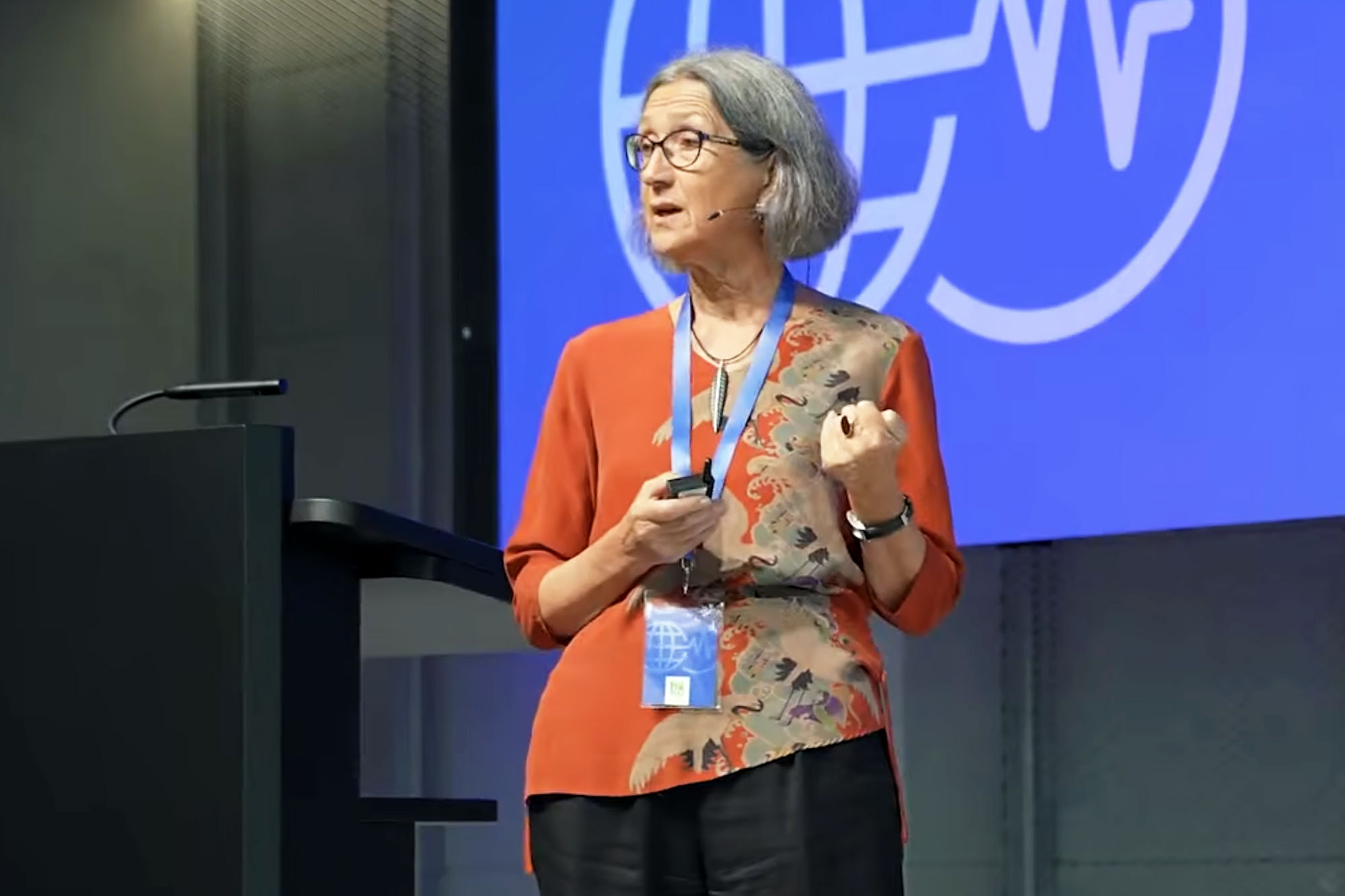
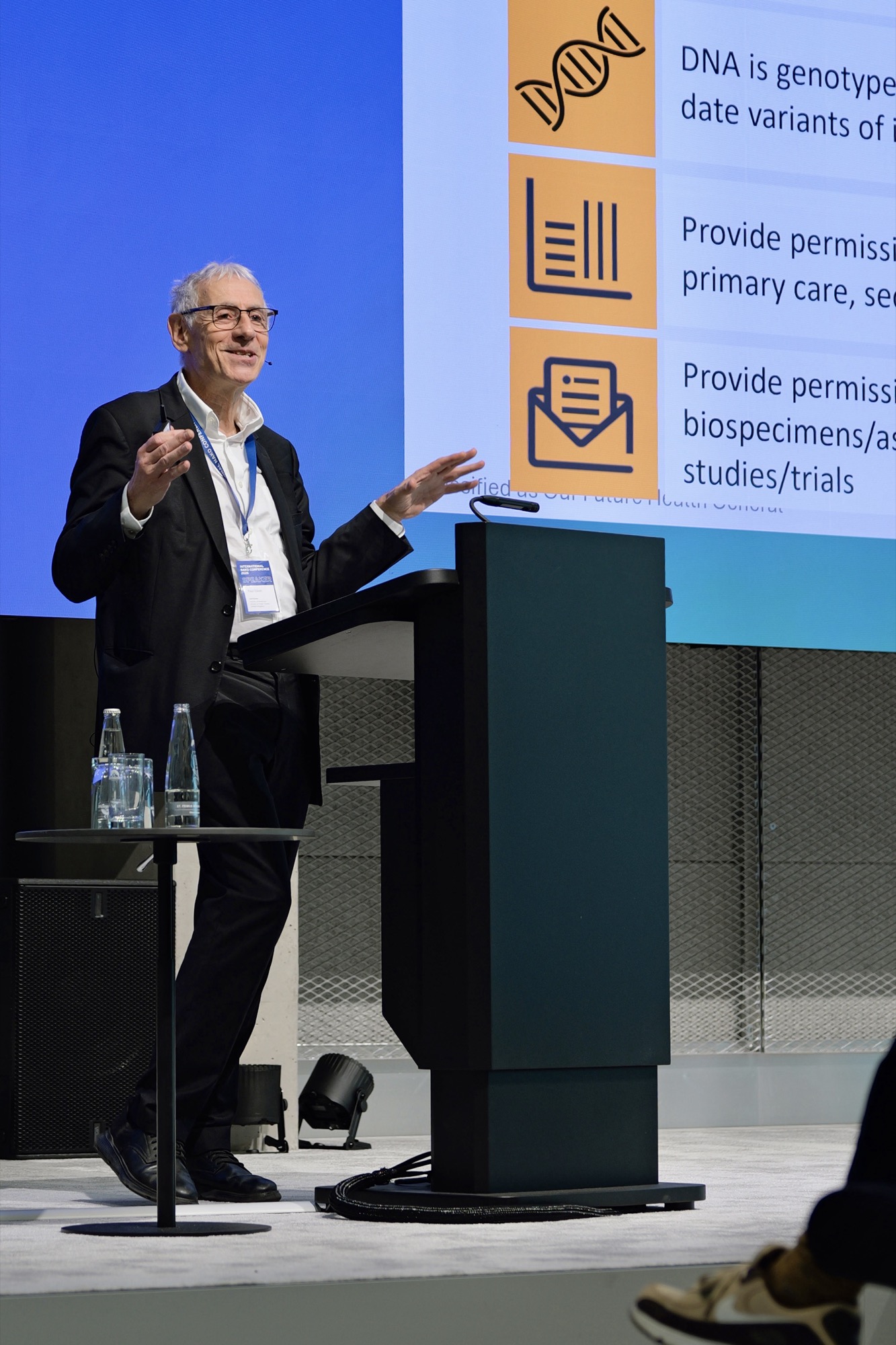
Prof. Beate Ritz (University of California, Los Angeles) focused on methods and findings relating to the environment and brain health. External influences accumulate over a lifetime and can cause illness (the exposome) – such as air pollutants and pesticides in the case of Parkinson’s disease. The causes and risks of Parkinson’s can be pinpointed more accurately through information provided by those affected, environmental monitoring, geoinformatics and modelling. ‘Omics tools’ (genomics, proteomics, etc.) are used to investigate externally induced susceptibilities and their effects on the nervous system. The CIPHER cohort (USA) hopes to use this approach to identify clear links between environmental factors and Parkinson’s disease. Biological samples are the most important resource. Ritz calls for ‘More biobanks!’
According to Prof. Paul Elliott (Imperial College London), cohort studies and biobanks are essential for gaining a better understanding of susceptibility to disease caused by external factors. Data from biological samples also enable molecular epidemiology. The UK Biobank holds samples from 500,000 participants (2006–2010; 22 centres). Genomic and sequencing data are fully available. Elliott notes, “The challenge lies in transforming biobank collections into analysable big data.” Targeted prevention appears feasible: proteomics has identified 22 markers that predispose individuals to depression. Cohorts with six- or seven-figure participant numbers, big data capabilities and biobanks such as the NAKO biorepository are regarded as future-proof investments in health research.
Forum for Innovative Research
There can be no progress in medicine without the next generation of researchers, who exchange knowledge and collaborate across national borders. In the foyer and during the sessions, scientists from all over the world discussed exciting projects and new ideas. The Knowledge Fair ‘Discover NAKO’ was very well received by the audience. Here, visitors were able to gain a practical insight into the vast potential of NAKO research. There was also plenty to discover at the poster sessions.
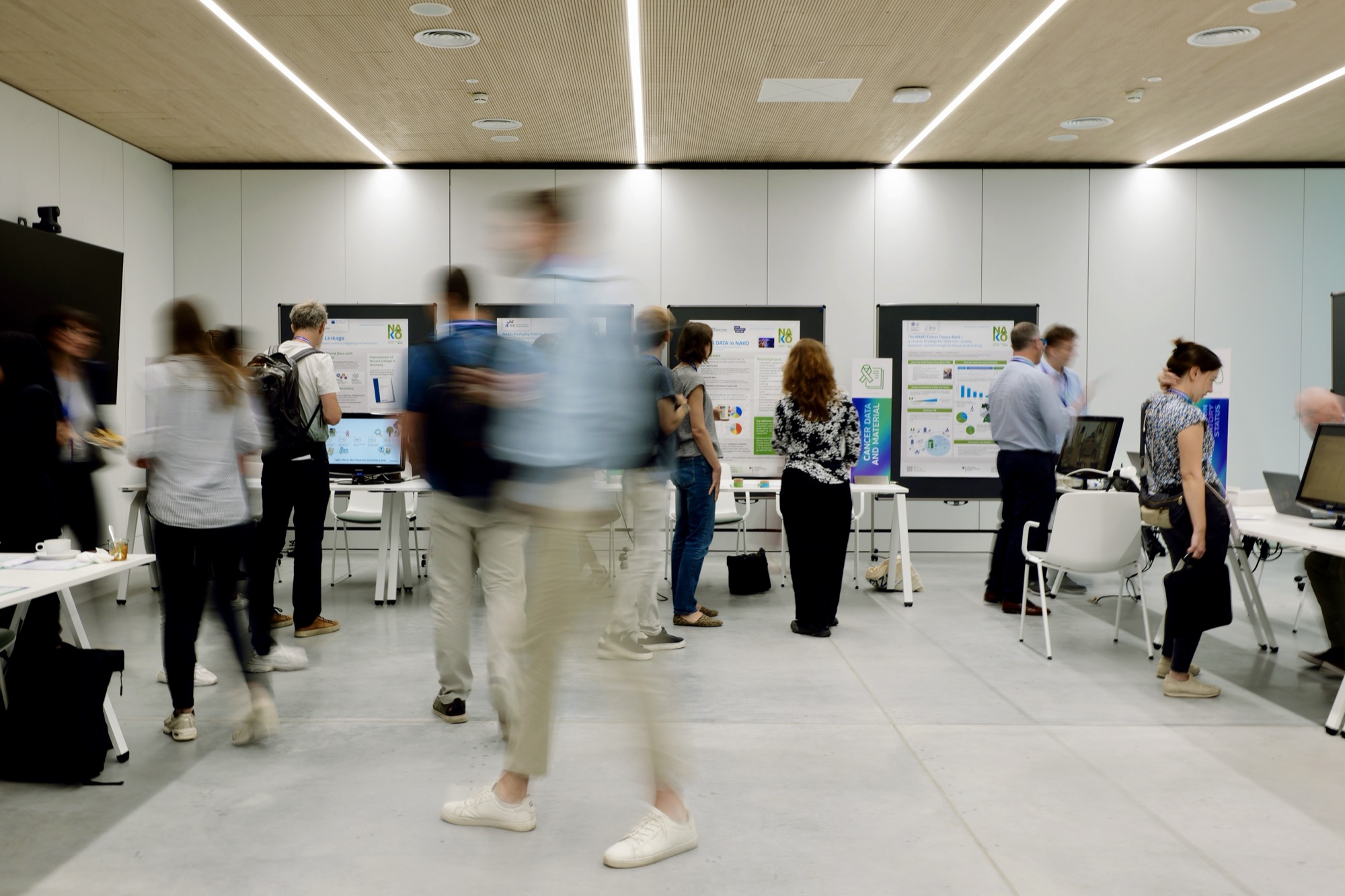
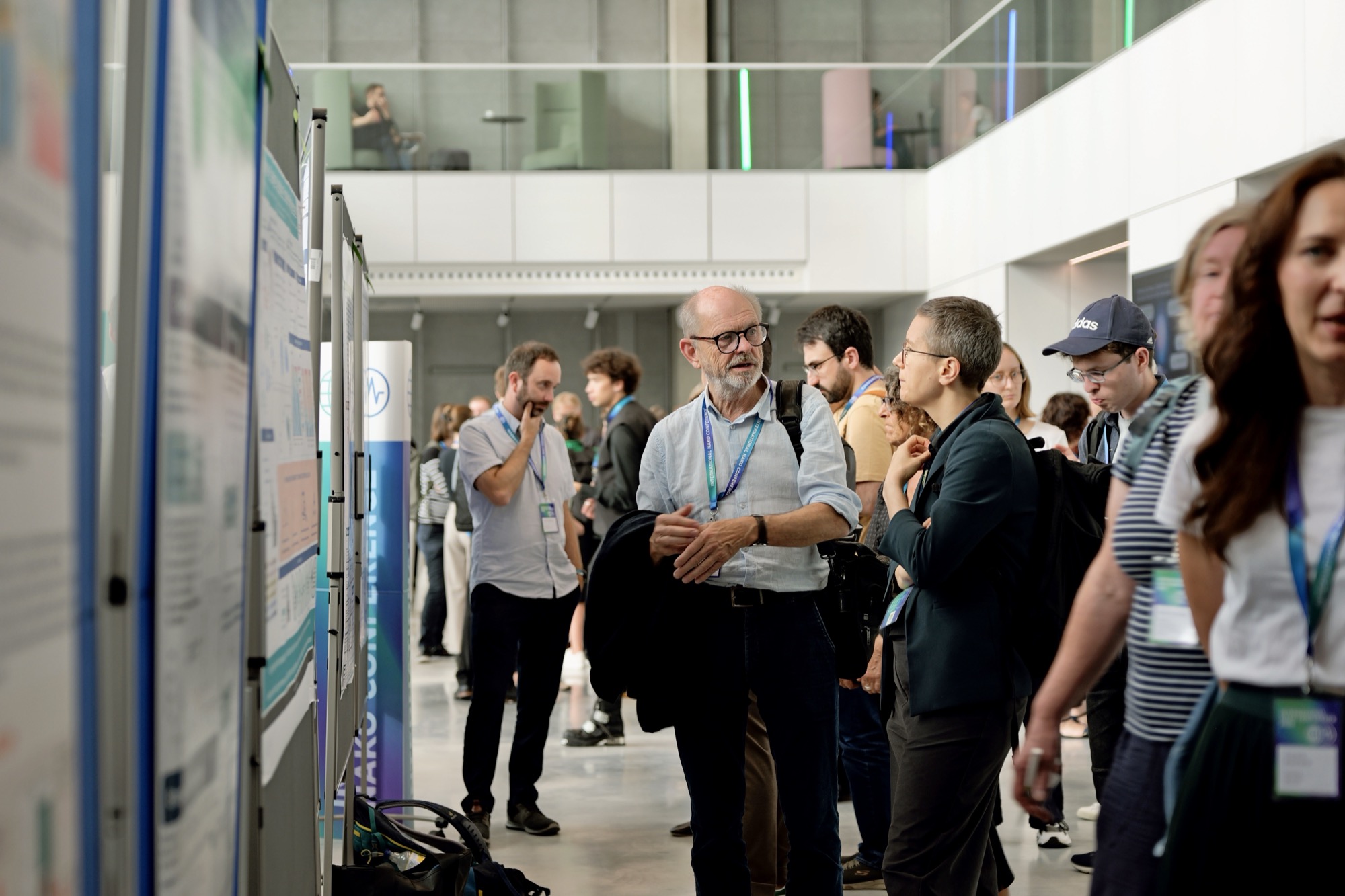
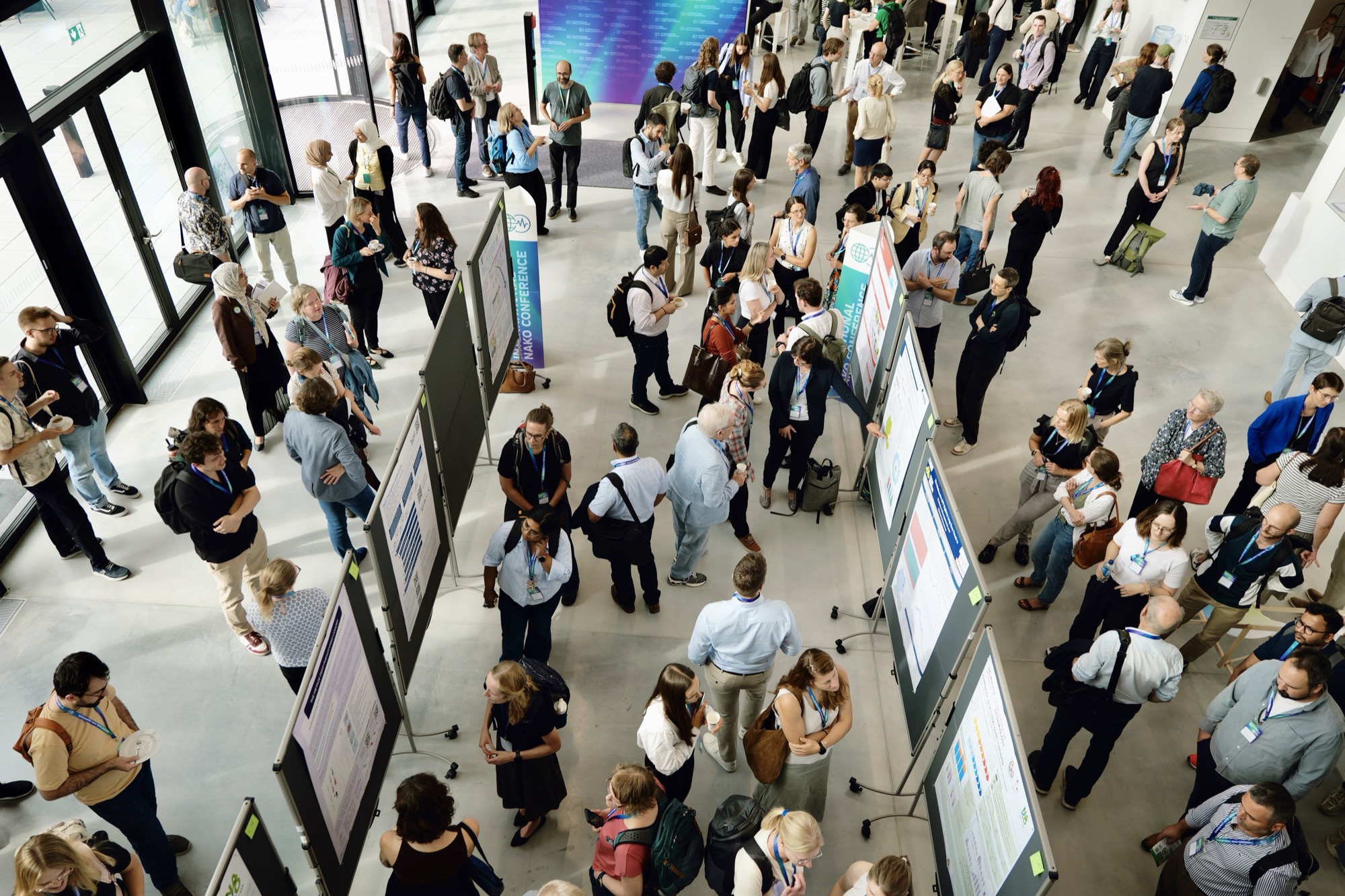
The poster session “Cohorts all over the world”’ presented, amongst other things, an Indian cohort (Healthy Ageing), the French E3N family cohort, the pan-European EPIC4ND study, UK Biobank, and the ‘Millions of Children’ (cancer) and DZIF transplant cohorts from Germany. The lunch poster session showcased, more than 50 NAKO posters, the diverse research questions and applications, collaborations and potential uses of the German health study: serolomics, genomics, nutrition, all-cause mortality, the long-term effects of air pollutants on the heart and brain, as well as the tumour biobank and research modules.
The lively interest shown by conference participants in the programme as a whole highlights the growing importance of cohorts for health research worldwide. By international standards, NAKO appears to be very well equipped to meet the challenges ahead.
Autor: Eberhard J Wormer
Event: International NAKO Conference 2026
Website: www.nako.de/conference2026
Scientific Board: Dr. Marie-Theres Huemer, Prof. Dr. Wolfgang Lieb, Prof. Dr. Annette Peters, Prof. Dr. Tobias Pischon, Prof. Dr. Tamara Schikowski
Date: 03.09.2026–04.09.2026
Location: Kongresszentrum Helmholtz Munich, Ingolstädter Landstr. 1, D-85764 Neuherberg
Host: Helmholtz Munich
Organization: NAKO e.V.
Contact: conference@nako.de