Boosting research into post-infectious diseases – NAKO receives 27.8 million euros
The NAKO-PAIS project, funded by the Federal Ministry for Research, Technology and Space (BMFTR), aims to create a comprehensive database for researchers over the next two years. To this end, the health data from the German National Cohort (NAKO) will be supplemented with genetic, immunological and other molecular analyses. The aim is to expand the […]
More than just statistics: the second YoungNAKO Winter School once again brought together early-career researchers
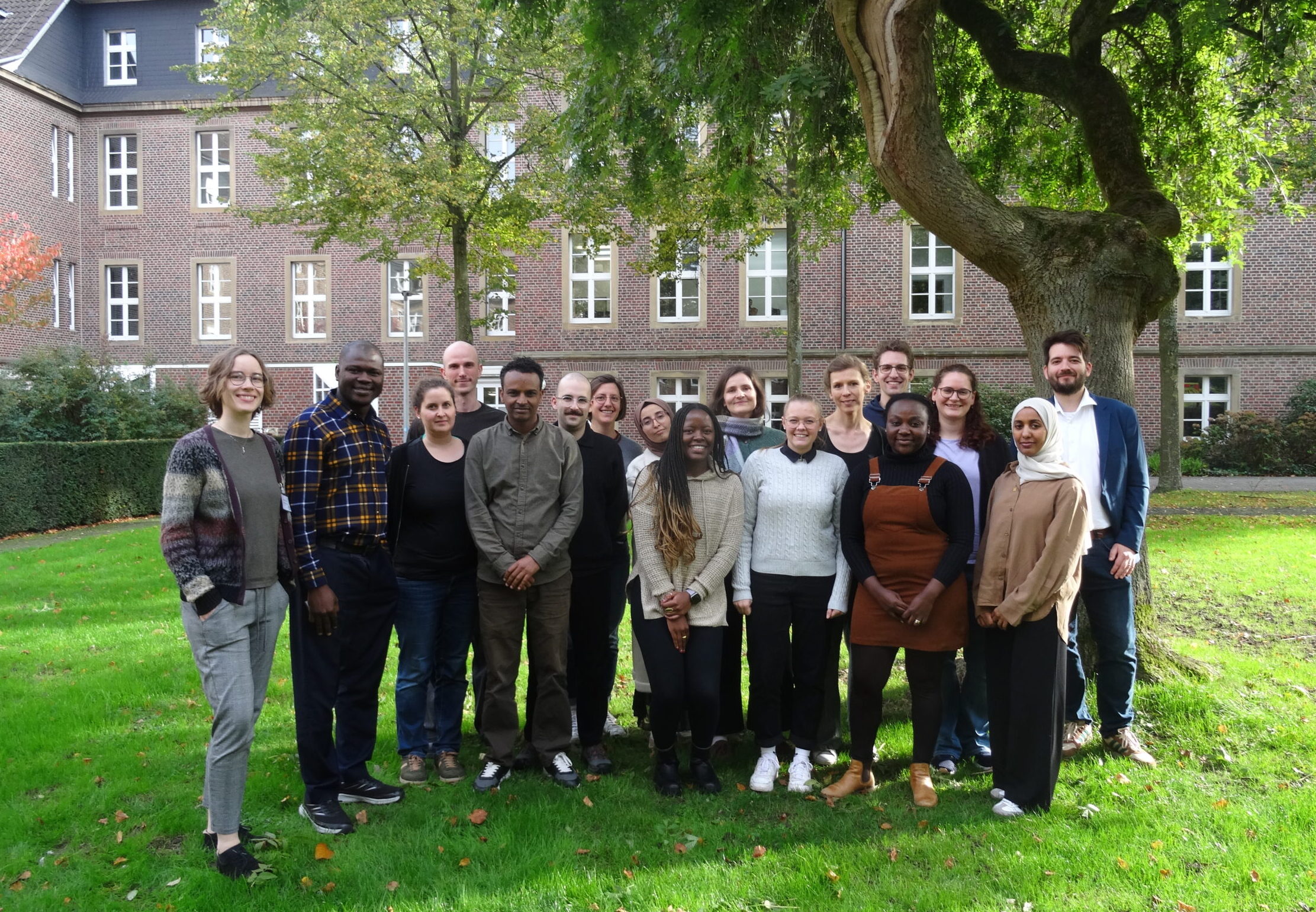
Deepening their understanding of research methods, tackling challenges together and forging new connections: the second YoungNAKO Winter School offered early-career researchers a week packed with academic insights, inspiring encounters and in-depth discussions. Right from the start, it became clear what the Winter School was all about, apart from the statistical content: during a joint round […]
Individual brain changes associated with depression and anxiety follow common patterns
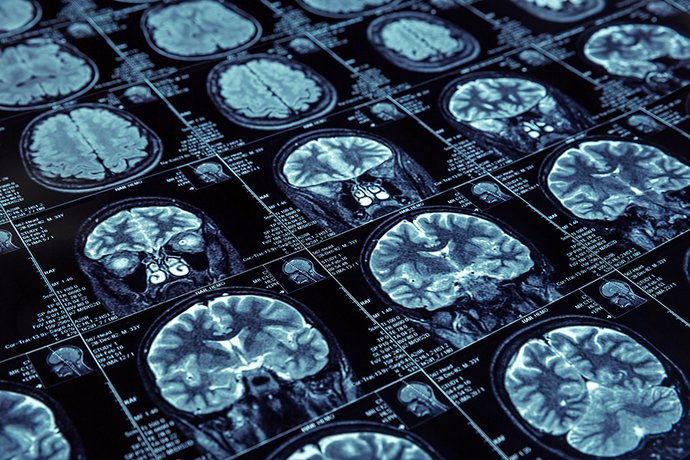
Press release from the Central Institute for Mental Health (CIMH) I Depression and anxiety disorders are associated with individual changes in brain structure. A study involving more than 50,000 MRI scans reveals common patterns at the group level. An international study involving the Central Institute of Mental Health (CIMH) shows that depression and anxiety disorders […]
YoungNAKO: Insights into the practical aspects of biosample processing

The course module ‘Biosample collection and analysis pipelines’ of the YoungNAKO graduate programme took place in Hanover as a face-to-face event, combining specialist input with practical insights and in-depth discussion. The participants gained a direct insight into the work behind the scenes and were able to better understand the processes involved in handling NAKO biological […]
Kick-off meeting for the second cohort of the YoungNAKO Graduate Programme

On 4 and 5 May 2026 early-career researchers from the second cohort* of the YoungNAKO Graduate Programme met for the first time. The two-day kick-off meeting was dedicated to getting to know one another, exchanging ideas on research topics and jointly planning future activities. Getting to know one another across disciplinary boundaries The day started […]
Second Epi Study Nurse course successfully completed

The second Epi Study Nurse (ESN) course for the German National Cohort (NAKO) has come to a successful conclusion. We now wish the participants every success for the final exam, which will take place between 4 and 6 May 2026. As in the first course, the group of participants comprised staff from various NAKO member […]
Personalised risk profiles for cardiovascular diseases: NAKO researcher receives Paul Dudley Award in Boston

Elena Grune, a researcher at the University of Freiburg and Helmholtz Munich, has been awarded the Paul Dudley White International Scholar Award by the American Heart Association for the best abstract from Germany. NAKO researchers presented the German National Cohort (NAKO) at the “EPI|Lifestyle Scientific Sessions 2026” conference in Boston. Among them was researcher Elena […]
Faces of YoungNAKO: Environment, health and the search for patterns

How does our environment affect our health? For Asmaa Alselwi, a doctoral student at Helmholtz Munich, this question is central. Her goal is to reveal complex relationships and derive possible courses of action from them. In this interview, she talks about what fascinates her about epidemiological research, how she came to YoungNAKO, and why good […]
Mental health during the pandemic: NAKO shows increased burden

A recent analysis of the German National Cohort (NAKO) of around 80,000 adults shows that while the majority of NAKO participants kept their mental health stable during the years of the COVID-19 pandemic, depressive symptoms, anxiety symptoms and stress increased until 2022 – especially among younger adults under the age of 40 and among women. […]
Faces of YoungNAKO: Research between city air, statistics and health relevance

His path into research was anything but coincidental. He combines technical expertise from his bachelor’s degree in medical information management with health science perspectives from his master’s degree in public health in Innsbruck, a combination that gives him a particularly broad perspective today. Why do some people get ill – and others don’t? From an […]